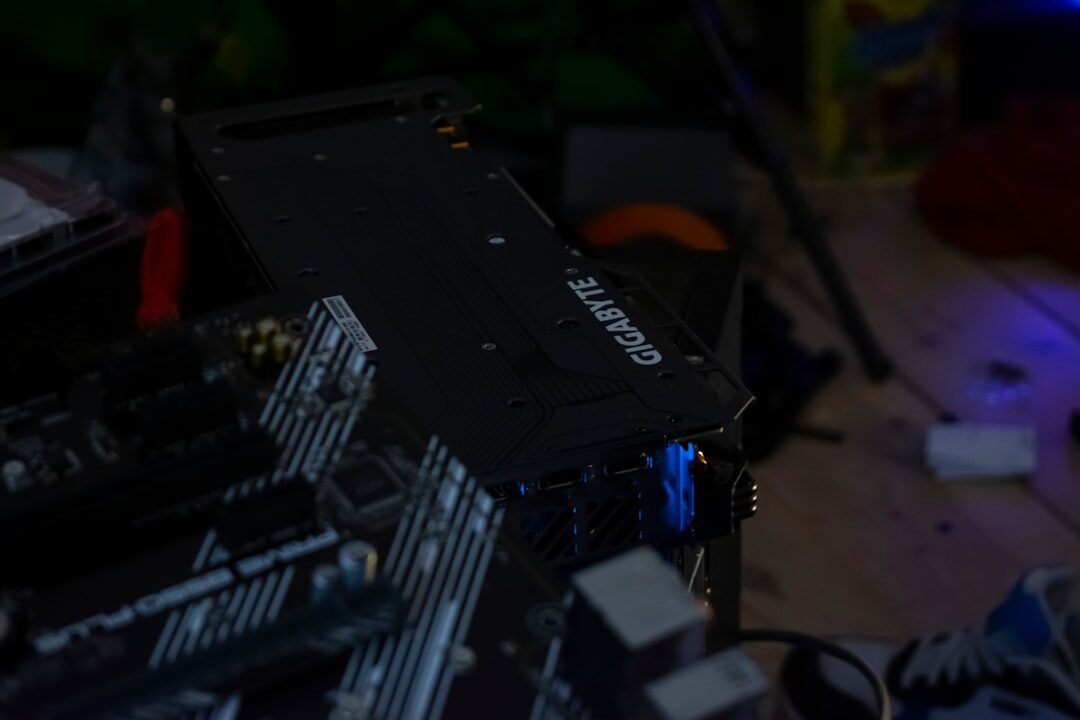
Furthermore, the latest release from NVIDIA has been making waves.
Consequently, NVIDIA Jetson T4000 vs. Previous Gen is a comparison on everyone’s mind.
Therefore, we will delve into the cutting-edge AI power consumption by 30% for robotics clusters.
NVIDIA Jetson T4000: Cutting-Edge AI Power Consumption
Moreover, the NVIDIA Jetson T4000 boasts an impressive 30% reduction in power consumption.
Meanwhile, this is a significant improvement over the previous generation.
However, what does this mean for robotics clusters?
Firstly, reduced power consumption leads to lower operating costs.
Secondly, it enables the deployment of more devices without increasing the overall power draw.
Implications for Robotics Clusters
In addition, the improved power efficiency of the NVIDIA Jetson T4000 has significant implications for robotics clusters.
Consequently, it enables the deployment of more robots without increasing the overall power consumption.
Nevertheless, this is not the only benefit.
Similarly, the reduced power consumption also leads to a decrease in heat generation.
As a result, this improves the overall reliability and lifespan of the devices.
Comparison with Previous Generation
Nevertheless, how does the NVIDIA Jetson T4000 compare to the previous generation?
Firstly, the previous generation had a power consumption of around 10W.
Secondly, the NVIDIA Jetson T4000 has a power consumption of around 7W.
Furthermore, this represents a 30% reduction in power consumption.
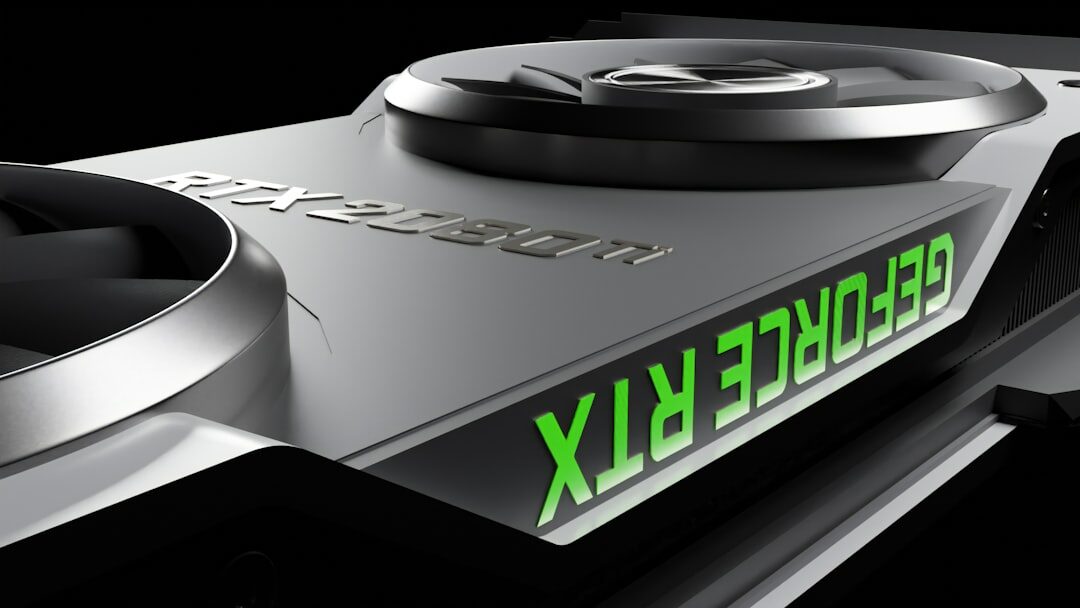
Moreover, the NVIDIA Jetson T4000 is not just about power efficiency.
Consequently, it also boasts improved performance and capabilities.
However, what does this mean for robotics clusters?
Firstly, improved performance enables faster processing and analysis of data.
Secondly, this leads to improved decision-making and response times.
According to the official NVIDIA website, the Jetson T4000 is designed to deliver accelerated AI performance and efficient processing for robotics and autonomous systems.
Meanwhile, the NVIDIA Jetson T4000 is also designed with security in mind.
Nevertheless, what does this mean for robotics clusters?
Firstly, improved security features protect against cyber threats and data breaches.
Secondly, this ensures the integrity and reliability of the data.
Furthermore, the NVIDIA Jetson T4000 is also compatible with a range of software and development tools.
Consequently, this makes it easy to integrate and deploy.
However, what does this mean for robotics clusters?
Firstly, compatibility with existing software and tools reduces development time and costs.
Secondly, this enables faster deployment and integration of the devices.
In conclusion, the NVIDIA Jetson T4000 is a significant improvement over the previous generation.
Moreover, the cutting-edge AI power consumption by 30% for robotics clusters is a game-changer.
Consequently, this enables the deployment of more devices without increasing the overall power draw.
Furthermore, the improved power efficiency, performance, and security features make it an ideal choice for robotics clusters.
Meanwhile, for more information on the latest developments in robotics and AI, visit Infrastructure Pulse.